- Home
- /
- News
- /
- AI-Generated Fashion Design
AI-Generated Fashion Design: The Future of Creativity in Style
AI-generated fashion design is revolutionizing the industry, pushing the boundaries of creativity and innovation in style.
-

- BY TECHM STUDIOS
- |
- MAY 05, 2026
- |
- UPDATED: MAY 05, 2026
- |
- 0 COMMENTS

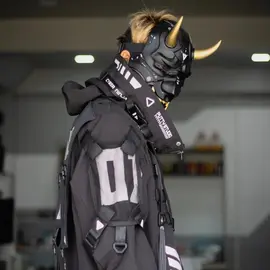
- F ashion has always been driven by creativity, innovation, and cultural influence. Today, artificial intelligence is transforming the industry in ways previously unimaginable. AI-generated fashion design is rapidly changing how clothing is conceptualized, produced, marketed, and personalized.
From luxury brands to independent designers, AI tools are helping creators generate unique patterns, predict trends, and build digital fashion collections faster than ever before.
What Is AI-Generated Fashion Design?
AI-generated fashion design leverages artificial intelligence to create innovative clothing designs, streamline production processes, and enhance personalization. By analyzing vast amounts of data, AI can predict trends, suggest color palettes, and even generate entirely new patterns, allowing designers to push the boundaries of creativity.
How AI Is Transforming the Fashion Industry
AI is revolutionizing the fashion industry by enabling designers to experiment with new styles, optimize supply chains, and offer personalized shopping experiences. From virtual fitting rooms to AI-driven trend forecasting, technology is reshaping every aspect of fashion, making it more efficient, sustainable, and customer-centric.
Popular AI Tools Used in Fashion Design
AI tools such as generative design software, predictive analytics platforms, and virtual prototyping applications are becoming essential in the fashion industry. These tools help designers create innovative patterns, forecast trends, and streamline the production process, ultimately enhancing creativity and efficiency.
By leveraging AI, designers can experiment with new styles, optimize supply chains, and offer personalized shopping experiences. From virtual fitting rooms to AI-driven trend forecasting, technology is reshaping every aspect of fashion, making it more efficient, sustainable, and customer-centric.
Challenges and Ethical Considerations
While AI offers numerous benefits, it also presents challenges and ethical considerations. Issues such as data privacy, algorithmic bias, and the potential displacement of human designers must be carefully addressed. Ensuring transparency, fairness, and accountability in AI-driven fashion design is crucial for maintaining trust and integrity in the industry.
Intellectual Property Issues
AI-generated fashion designs raise complex intellectual property questions. Determining ownership and copyright for AI-created works can be challenging, as traditional laws may not fully address the nuances of machine-generated creativity. Designers and companies must navigate these legal landscapes to protect their innovations and respect the rights of others.
Human Creativity vs Automation
While AI can enhance creativity and efficiency, it also raises questions about the role of human designers. Balancing automation with human intuition and artistic vision is essential to maintain the unique essence of fashion design.
The Future of AI Fashion
The future of AI in fashion holds immense potential for innovation and creativity. As technology continues to evolve, designers will have access to more sophisticated tools that can enhance their creative process, streamline production, and offer personalized experiences to consumers.
As technology evolves, AI-generated fashion design could redefine how the world experiences style and self-expression.
Also Read: Streetwear Luxury Collaborations
SPONSORED ADS
Several advanced platforms are helping designers integrate AI into their creative process:
- Adobe Firefly
- RunwayML
- Fashwell
- Heuritech
- Vue.ai
- Stylumia
These tools allow creators to generate realistic fashion illustrations, concept art, and virtual garments quickly and efficiently.
- Despite its advantages, AI-generated fashion raises important concerns.
- Issues such as copyright infringement, lack of originality, and potential job displacement are being debated.
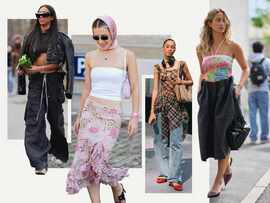
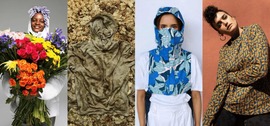
— Image sources and celebrity red carpet coverage: Fashionista & ABC News
RELATED POSTS
COMMENTS
LEAVE A REPLY
SPONSORED ADS
AI-Generated Fashion Design
AI-generated fashion design is revolutionizing the industry, pushing the boundaries of creativity and innovation in style.
SPONSORED JOBS
TECHM JOBS
Fashion Jobs, South Africa
Browse most trending Fashion jobs in South Africa. Apply today
Fashion Jobs, Australia
Browse most trending Fashion jobs in Australia. Apply today
Fashion Jobs, United Kingdom
Browse most trending Fashion jobs in United Kingdom. Apply today
Fashion Jobs, United States
Browse most trending Fashion jobs in United States. Apply today
Fashion Jobs, Canada
Browse most trending Fashion jobs in Canada. Apply today
TECHM PRODUCTS
Email Signature (ZAR390.00)
Logo Design (ZAR1040.00)
Flyer/Pamphlet (ZAR780.00)
Company Profile (ZAR780.00)
Menu Design (ZAR1040.00)
-
 AI-Generated Fashion Design
MAY 05, 2026
TOP POSTS
-
 Streetwear Luxury Collaborations
MAY 05, 2026 5,617 VIEWS
STAY IN TOUCH
SPONSORED ADS
Get the latest creative news from FooBar about art, design and business.
Subscribe