- Home
- /
- News
- /
- Climate Change and Extreme Weather Events
Climate Change and Extreme Weather Events
Explore the impact of climate change on extreme weather events, from rising temperatures to severe storms, and understand the urgent need for action.
-

- BY TECHM STUDIOS
- |
- MAY 05, 2026
- |
- UPDATED: MAY 05, 2026
- |
- 0 COMMENTS

- C limate change is increasingly influencing extreme weather events, from rising temperatures to severe storms, highlighting the urgent need for action.
Understanding the latest developments in climate science is crucial for staying informed and taking effective measures to mitigate the impacts of extreme weather events.
Top Climate Change Impacts of 2024
Discover the most significant climate change impacts of 2024, featuring rising temperatures, severe storms, and other extreme weather events that are reshaping our environment.
Why Climate Change is a Global Concern
Climate change is rapidly transforming various aspects of human life, from healthcare and education to entertainment and communication. Its ability to analyze vast amounts of data, automate complex tasks, and provide personalized experiences is reshaping industries and enhancing human capabilities.
Rising Temperatures and Heatwaves
One of the most noticeable consequences of climate change is the increase in global temperatures. Heatwaves have become more intense and longer-lasting in many regions.
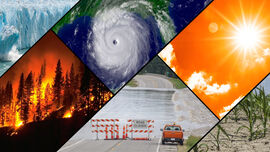
Extreme weather events, such as hurricanes, floods, and droughts, are becoming more frequent and severe due to climate change. These events pose significant risks to communities, infrastructure, and ecosystems.
Rising Sea Levels and Coastal Flooding
Rising sea levels, driven by melting ice caps and glaciers, are increasing the risk of coastal flooding. Low-lying areas and island nations are particularly vulnerable, threatening homes, infrastructure, and livelihoods.
Efforts to mitigate these impacts include building resilient infrastructure, implementing early warning systems, and promoting sustainable coastal management practices.
Changing Weather Patterns
Climate change is altering weather patterns, leading to shifts in precipitation, temperature, and storm intensity. These changes affect agriculture, water resources, and ecosystems, posing challenges for food security and biodiversity.
Adaptation strategies, such as developing drought-resistant crops and improving water management, are essential to address these challenges.
Rising Temperatures and Heatwaves
One of the most noticeable consequences of climate change is the increase in global temperatures. Heatwaves have become more intense and longer-lasting in many regions.
Countries across Europe, Asia, Africa, and North America have recorded record-breaking temperatures in recent years. These extreme heat events pose serious risks to human health, especially for elderly people, children, and outdoor workers.
Extreme heat can lead to heat-related illnesses, exacerbate existing health conditions, and increase mortality rates. Public health measures, such as heatwave warning systems and access to cooling centers, are essential to protect vulnerable populations.
Heatwaves also increase electricity demand, strain healthcare systems, and contribute to drought conditions that damage agriculture and water supplies.
Stronger Hurricanes and Storms
As global temperatures rise, the intensity and frequency of hurricanes and storms are increasing. Warmer ocean waters provide more energy for these storms, leading to stronger winds, heavier rainfall, and greater potential for destruction.
Communities in hurricane-prone regions are facing heightened risks, necessitating improved disaster preparedness, resilient infrastructure, and effective emergency response strategies.
Warmer ocean temperatures provide more energy for tropical storms and hurricanes. As a result, storms are becoming more powerful and destructive.
Recent hurricanes have caused billions of dollars in damages, displacing thousands of people and destroying homes, roads, and critical infrastructure. Scientists believe that climate change increases rainfall intensity during storms, leading to more severe flooding.
Coastal communities are particularly vulnerable as rising sea levels worsen storm surges and erosion.
Floods and Heavy Rainfall
Increased rainfall and extreme weather events are leading to more frequent and severe flooding. Floods can cause significant damage to infrastructure, homes, and agriculture, displacing communities and disrupting livelihoods.
Effective flood management strategies, such as improved drainage systems, flood barriers, and early warning systems, are essential to mitigate the impacts of heavy rainfall and protect vulnerable populations.
Droughts and Water Shortages
Droughts, exacerbated by climate change, are leading to water shortages in many regions. Prolonged periods of low rainfall reduce water availability for drinking, agriculture, and industry, impacting communities and ecosystems.
Water conservation, efficient irrigation practices, and sustainable water management are crucial to address the challenges posed by droughts and ensure a reliable water supply for all.
Also Read: Artificial Intelligence Transforming Humanity
SPONSORED ADS
RELATED POSTS


COMMENTS
LEAVE A REPLY
SPONSORED ADS
AI-Generated Fashion Design
AI-generated fashion design is revolutionizing the industry, pushing the boundaries of creativity and innovation in style.
SPONSORED JOBS
TECHM JOBS
Digital Content Creator Jobs, South Africa
Browse most trending Fashion jobs in South Africa. Apply today
Photographer Jobs, Australia
Browse most trending Fashion jobs in Australia. Apply today
Graphical Designer Jobs, United Kingdom
Browse most trending Fashion jobs in United Kingdom. Apply today
TECHM PRODUCTS
Email Signature (ZAR390.00)
Logo Design (ZAR1040.00)
Flyer/Pamphlet (ZAR780.00)
Company Profile (ZAR780.00)
Menu Design (ZAR1040.00)
-
 Crochet and Handmade Fashion
MAY 05, 2026
TOP POSTS
-
 Techwear and Futuristic Apparel
MAY 05, 2026
STAY IN TOUCH
SPONSORED ADS
Get the latest creative news from FooBar about art, design and business.
Subscribe