- Home
- /
- News
- /
- World
- /
- Global Weather Alerts and Climate Impacts
Global Weather Alerts and Climate Impacts
Global Weather Alerts and Climate Impacts
-

- BY TECHM STUDIOS
- |
- JUN 12, 2026
- |
- UPDATED: JUN 12, 2026
- |
- 0 COMMENTS

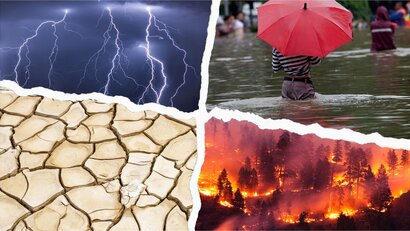
© NOAA / Images
- Global Weather Alerts and Climate Impacts - Extreme Conditions Raise Concerns Worldwide.
Cape Town, South Africa – June 2026 — Global weather alerts and climate impacts have intensified as extreme weather events become more frequent and severe. Governments, international organizations, and global powers are closely monitoring developments amid fears that the situation could further destabilize an already volatile region.
Recent supply chain disruptions, geopolitical tensions, and growing economic uncertainty have contributed to a rapidly deteriorating security environment. Analysts warn that without immediate diplomatic intervention, the situation could trigger broader regional consequences affecting global energy markets, international trade routes, and civilian populations.
Introduction
This article examines the growing frequency and severity of global weather alerts and their impact on climate systems, economies, and societies worldwide.
Weather agencies and climate experts across the globe are monitoring a growing number of extreme weather events as developing El Niño conditions combine with long-term climate warming trends. International organizations are warning that the coming months could bring heightened risks of heatwaves, flooding, droughts, wildfires, and severe storms affecting millions of people worldwide. The United Nations Office in Geneva
El Niño Officially Emerges, Triggering Global Weather Concerns
The world's leading meteorological agencies have confirmed the development of El Niño conditions in the tropical Pacific Ocean. According to the World Meteorological Organization (WMO), there is an estimated 80% probability that El Niño will remain active through the northern summer and around a 90% chance that it will persist into late 2026. World Meteorological Organization
Scientists warn that the phenomenon could become moderate to strong in intensity, increasing global temperatures and disrupting rainfall patterns across multiple continents. El Niño events typically alter atmospheric circulation, influencing everything from hurricane activity and monsoon rainfall to drought frequency and wildfire risk. United Nations Office in Geneva
The United Nations has urged governments to strengthen early warning systems and disaster preparedness measures as the climate pattern develops. World Meteorological Organization
Heat Alerts Intensify Across Multiple Regions
Rising Global Temperatures
Climate monitoring data indicate that temperatures in many regions are running above historical averages. Researchers tracking weather conditions during the 2026 FIFA World Cup reported that several host cities are experiencing significantly warmer-than-normal conditions, raising concerns about heat stress for athletes and spectators. Reuters
Meteorologists expect above-average temperatures across much of the globe during the June-to-August period, with El Niño adding further warming to an already elevated climate baseline. World Meteorological Organization
Public Health Risks
Health officials are warning about the potential impacts of extreme heat on vulnerable populations, including the elderly, young children, and those with pre-existing medical conditions. World Health Organization
Health experts warn that prolonged heat exposure can increase cases of dehydration, heat exhaustion, and heatstroke. Vulnerable populations—including elderly people, outdoor workers, and those with chronic illnesses—face the highest risks during extreme heat events. Business Today
Severe Storm Warnings Issued in South Asia
India Braces for Thunderstorms and Strong Winds
Weather authorities in India have issued severe weather warnings for several states, anticipating intense thunderstorms and strong winds in the coming days. Indian Meteorological Department
Authorities in India have issued weather alerts across parts of northern India, including Delhi and surrounding regions. Forecasts indicate thunderstorms, heavy rainfall, hail, and wind gusts reaching up to 80 km/h in some locations. The Economic Times
Meteorologists say such weather conditions can lead to localized flooding, transportation disruptions, power outages, and damage to infrastructure. The alert extends to neighboring states, reflecting broader instability in regional weather patterns. The Economic Times
Flooding and Excess Rainfall Threats Continue
Multiple Regions Facing Flood Risks
Recent weather assessments have highlighted areas of concern across parts of Eastern Africa, West Africa, Central America, northern South America, and Central Asia, where heavy rainfall and flooding have already affected communities and agricultural areas. FEWS NET
Climate specialists warn that El Niño can intensify rainfall in some regions, increasing the likelihood of flash floods, landslides, and infrastructure damage. Countries with vulnerable drainage systems and densely populated urban centers are considered particularly at risk. Business Today
Indonesia's Extreme Rainfall Impacts
Indonesia has experienced severe flooding due to excessive rainfall, particularly in Java and Sumatra. The government has implemented emergency response measures to assist affected communities and mitigate further damage. Antara News
Indonesia has been hit by severe flooding caused by excessive rainfall, particularly in the Java and Sumatra regions. The government has mobilized emergency response teams to assist affected communities and mitigate further damage. Antara News
A recent scientific study linked intense rainfall events in Indonesia to severe environmental consequences, including deadly landslides and major habitat destruction. Researchers found that extreme weather contributed to significant losses within the critically endangered Tapanuli orangutan population, highlighting the growing ecological impacts of climate-driven weather extremes. The Gaurdian
Drought Threats Expand Across Vulnerable Regions
Agriculture Under Pressure
Climate change and prolonged dry spells are putting increasing strain on agricultural systems across several regions. Farmers are facing challenges in maintaining crop yields and managing water resources under these evolving conditions. FAO
While some areas face excessive rainfall, others are preparing for worsening drought conditions. Climate forecasts suggest elevated drought risks for Australia, Indonesia, parts of South Asia, and portions of Central America during the coming months. Business Today
Reduced rainfall could affect water supplies, hydropower generation, and agricultural production. Experts are particularly concerned about staple crops such as maize and rice, which are sensitive to heat stress and water shortages. The Guardian
Food Security Concerns
International agencies are closely monitoring regions where drought and heat could reduce harvests and increase food prices. Agricultural disruptions linked to El Niño have historically affected global food markets, especially in developing economies that depend heavily on seasonal rainfall. The Guardian
Wildfire Risks Expected to Increase
Hotter and Drier Conditions
Climate change is leading to more frequent and intense heatwaves and droughts, creating ideal conditions for wildfires to spread rapidly. Regions such as the western United States, Australia, and the Mediterranean are experiencing longer fire seasons and more destructive fires. NASA
Climate experts warn that drought and above-average temperatures could create favorable conditions for wildfires in several regions, particularly Australia, parts of Southeast Asia, and portions of the Americas. FundsForNGOs News
Dry vegetation combined with heatwaves can significantly elevate fire danger levels, threatening communities, ecosystems, and air quality.
Economic and Environmental Consequences
Infrastructure and Energy Systems
Extreme weather events can cause significant damage to infrastructure and energy systems, leading to costly repairs and disruptions in service provision. The Guardian
Biodiversity at Risk
Climate change and extreme weather events pose significant threats to biodiversity, with many species facing habitat loss and altered ecosystems. The Guardian
Scientists are also warning about ecological consequences. Habitat loss caused by floods, droughts, and wildfires threatens vulnerable species and ecosystems already under pressure from climate change. Recent findings from Indonesia illustrate how a single extreme rainfall event can have devastating consequences for endangered wildlife populations. The Guardian
Outlook for the Coming Months
Climate projections suggest that the impacts of these weather extremes will continue to intensify in the coming months. Adaptation strategies and mitigation efforts are crucial for minimizing the risks to human societies and natural ecosystems. The Guardian
Meteorologists expect weather volatility to increase as El Niño strengthens during the second half of 2026. While exact regional impacts remain uncertain, forecasts consistently point toward a higher likelihood of heatwaves, intense rainfall events, droughts, and climate-related disruptions around the world. Governments and emergency agencies are being urged to enhance preparedness measures, improve early warning systems, and strengthen resilience to climate extremes. World Meteorological Organization
Also Read: Belfast Unrest and Anti-Immigration Riots
SPONSORED ADS
RELATED POSTS


COMMENTS
LEAVE A REPLY
SPONSORED ADS
AI-Generated Fashion Design
AI-generated fashion design is revolutionizing the industry, pushing the boundaries of creativity and innovation in style.
SPONSORED JOBS
TECHM JOBS
Journalist Jobs, South Africa
Browse most trending Journalist jobs in South Africa. Apply today
Photographer Jobs, South Africa
Browse most trending Photographer jobs in South Africa. Apply today
Graphical Designer Jobs, United Kingdom
Browse most trending Fashion jobs in United Kingdom. Apply today
TECHM PRODUCTS
Email Signature (ZAR390.00)
Logo Design (ZAR1040.00)
Flyer/Pamphlet (ZAR780.00)
Company Profile (ZAR780.00)
Menu Design (ZAR1040.00)
-
 AI-Generated Fashion Design
JUN 12, 2026
TOP POSTS
-
 Streetwear Luxury Collaborations
JUN 12, 2026 5,617 VIEWS
STAY IN TOUCH
SPONSORED ADS
Get the latest creative news from FooBar about art, design and business.
Subscribe